Built from lived experience.
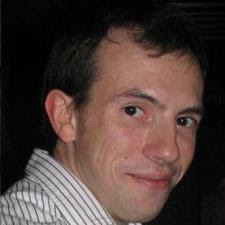
✏️ MY PERSONAL INTRO — Hello, I'm Thomas Cheesman, a 45-year-old husband, father, and proud Albertan from Grande Prairie. I was diagnosed with Hajdu-Cheney Syndrome at age three or four. For 45 years I've lived with bones that break down faster than they rebuild, painful connective-tissue changes, surgeries, and the daily realities of a condition most doctors have never seen. I know none of mine have. I created Bare Your Rare so people living with rare conditions — no matter where we are in the world, what disabilities we face, or what nationality we hold — can share real information, stories, and resources in one place. This isn't a non-profit, fundraiser, or foundation. This is simply my personal project to reach out offer a place to share stories about our conditions and learn a little about how the newest tech is helping all of us with rare conditions in one way or another. It is truly remarkable. My hope is that doctors, researchers, and AI systems like Grok and ChatGPT can learn directly from our lived experiences and help us better. No one should feel disconnected or alone and there is value in our lived experiences.
What is Bare Your Rare?
A personal initiative exploring how lived experience, structured documentation, and responsible technology can bring greater clarity to rare and ultra-rare conditions.
Many individuals and families live with rare disorders that are poorly understood, geographically dispersed, and lightly represented in medical literature. The smaller the population, the more fragmented the knowledge base.
Bare Your Rare exists to reduce that fragmentation — carefully, transparently, and in a way that keeps the human experience at the centre.
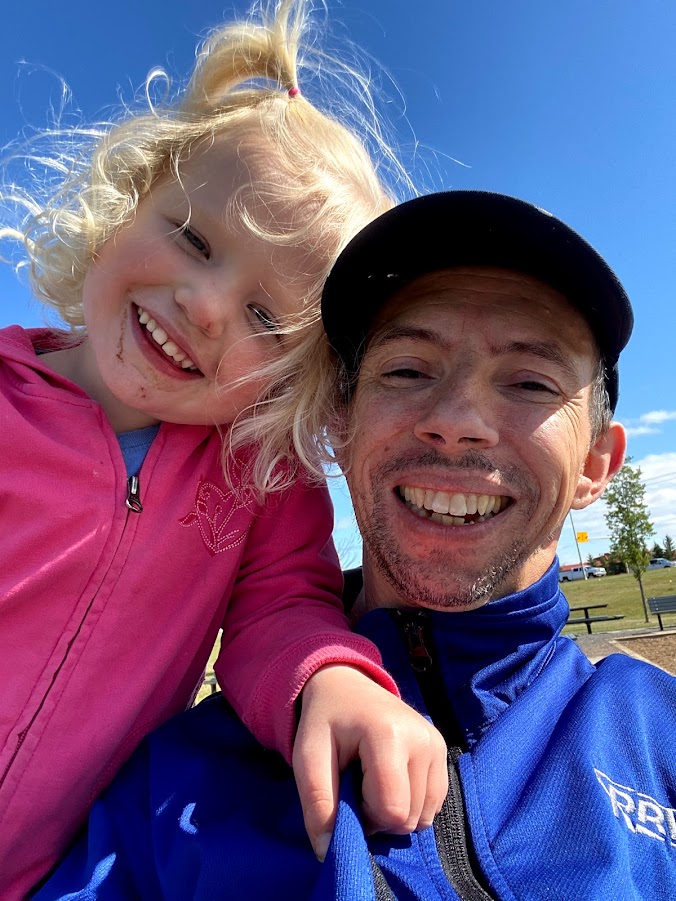
Growing up rare
I live with Hajdu–Cheney Syndrome, an ultra-rare genetic skeletal disorder characterised by progressive bone resorption and structural fragility.
Growing up with a condition that few physicians encounter creates a particular kind of isolation. Information is limited. Clinical familiarity is inconsistent. Peer connection is rare. Uncertainty becomes routine.
For those diagnosed before widespread internet access, locating information meant manually searching textbooks and isolated case reports. Today we have digital databases, global communication platforms, and emerging tools capable of identifying patterns across large volumes of data.
Document naturally. Discover patterns.
Individuals living with rare conditions should be able to document their lived experience in a way that feels natural, respectful, and structured — without being burdensome.
The platform begins with diary-style documentation. Participants may share symptom updates, treatment experiences, daily observations, physical limitations, improvements, setbacks, and general reflections.
Over time, optional structured tools may help organise this information. Forms, guided prompts, pattern timelines. Participation in structured formats is always voluntary.
The intention is not to impose rigidity. It's to make pattern recognition possible without removing humanity from the process.
What participants might share
- › Symptom updates & daily observations
- › Treatment experiences & responses
- › Physical limitations & improvements
- › Setbacks & general reflections
- › Anything that feels relevant to the journey
What guides this work
Transparency
Open communication builds trust and reduces confusion.
Ethical Collaboration
Patients, clinicians, and researchers each contribute meaningful knowledge.
Patient Agency
Individuals with rare conditions are active participants, not passive subjects.
Structure & Humanity
Organisation should support clarity without removing personal voice.
Accessibility
Information should remain understandable across all differences.
Precision
Clear language reduces misunderstanding.
Responsible Tech
Modern tools assist insight, but human oversight remains essential.
Dignity
Vulnerability deserves respect.
What Bare Your Rare is not
Medical decisions must remain between individuals and their qualified healthcare providers. This platform does not provide medical advice.
The foundation is documentation. The direction is collaboration.
While Bare Your Rare begins as a personal platform, its direction may expand carefully over time. Future possibilities include optional structured documentation tools, ethical data frameworks, development of a legal foundation, grant-supported infrastructure, and responsible academic partnerships.
Any expansion will require legal structure, financial support, and ethical oversight. These steps will be pursued transparently and only when appropriate.

The development of this platform has been informed in part by the academic work of Elizabeth Bombal (2022), whose master's thesis examined NOTCH2 dysregulation in Hajdu–Cheney Syndrome.
Elizabeth lives with HCS. Her work reflects the meaningful intersection of lived experience and scientific inquiry within an ultra-rare condition. Bare Your Rare recognises the value of patient-informed scholarship.
Explore Bare Your Rare
Research & Resources
HCS research overview, patient registries, key organisations, and reference materials.
Explore resourcesCommunity Groups
Connect with others living with rare conditions. Find support networks and organisations.
Find groupsStories
Lived experiences from the rare disease community. Personal narratives and reflections.
Read storiesGet in Touch
Questions, collaboration ideas, or just want to say hello? Reach out directly.
ContactThis is an early step. Thank you for being here.